
 Facebook
 X
 LinkedIn
 Forward
From Manual to Automated Platelet Production: Optimizing Supply, Safety, and Efficiency
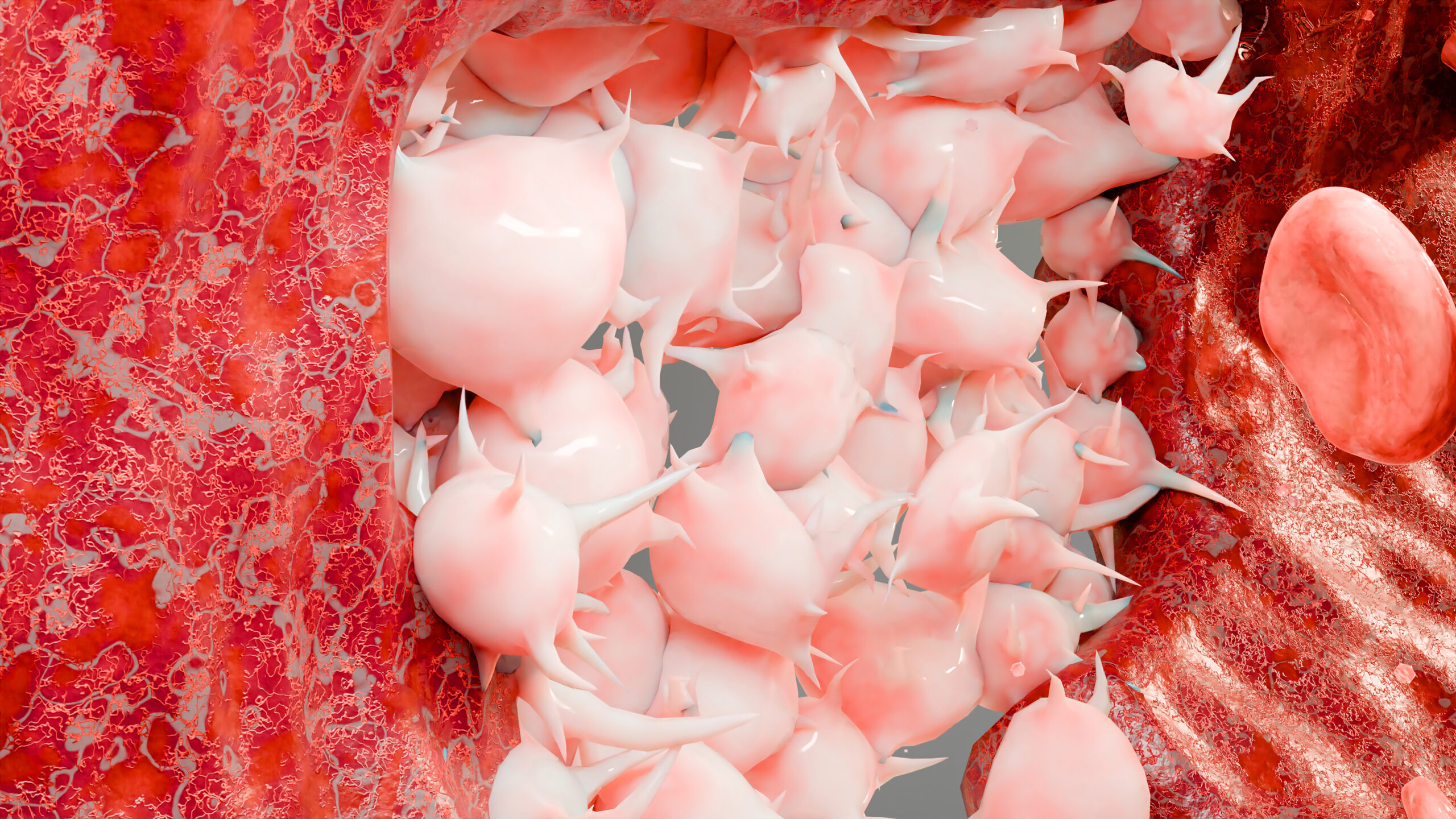 Platelet supply affects patient safety. When platelets aren’t available at the right time, clinicians face delayed procedures, conservation measures, and difficult allocation decisions. In this 40-minute eLearning, Dr Daniela Hermelin uses three video commentaries to compare manual whole blood separation with apheresis. She reviews evidence from centers that have modernized, and explains how automated whole blood processing works alongside apheresis rather than replacing it.
Target Audience
Healthcare Professionals
Learning Objectives
- Describe the historical evolution of platelet manufacturing, comparing manual whole blood component separation and apheresis collection in terms of process steps, product consistency, donor burden, and contribution to supply constraints.
- Analyze clinical and operational outcome data from centers implementing newer platelet manufacturing approaches and determine how these changes could be applied in their own practice settings to improve efficiency, safety, and platelet availability.
- Explain the core principles and key features of automated whole blood processing systems (for example, single-spin, integrated component extraction) and compare their potential advantages and limitations relative to traditional manual and apheresis-based methods when making or influencing local transfusion practice decisions.
Activity Disclosure
This activity is supported by Terumo BCT.
This activity underwent review in line with standards of editorial integrity and publication ethics. Potential conflicts of interest have been identified and resolved in accordance with John Wiley and Sons, Inc.’s Policy on Activity Disclosure and Conflict of Interest. The primary resolution method was review by an unconflicted expert. For information about the accreditation of this program, please contact [email protected].
Parts of this program’s content were developed using Claude Opus 4.7 (June 2026). All materials were reviewed and approved by the Wiley content strategist team and an external peer reviewer. No clinical material was created with the use of Claude or any other artificial intelligence.
Course summary
- 0.50 AMA PRA Category 1 Credit(s)™

Daniela Hermelin, M.D., CABP
Daniela Hermelin, M.D., CABP received financial compensation from Haemonetics Corporation for Data Management Team (through July 2025).
All planners and reviewers involved in the development of this activity declared no relevant financial relationships with ineligible companies.
John Wiley & Sons, Inc. is accredited by the Accreditation Council for Continuing Medical Education (ACCME) to provide continuing medical education for physicians.
John Wiley and Sons, Inc. designates this enduring material based CME activity for a maximum of 0.5 AMA PRA Category 1 Credit™. Physicians should only claim credit commensurate with the extent of their participation in the activity. For information on applicability and acceptance of continuing medical education credit for this activity, please consult your professional licensing board.
This activity is designed to be completed within 30 minutes and complete the activity during the valid credit period, which is up to one year from initial publication. Additionally, up to 3 attempts and a score of 75% or higher is needed to pass the post-test and claim credit.
Available Credit
- 0.50 AMA PRA Category 1 Credit(s)™