
 Facebook
 X
X LinkedIn
 Forward
Where Science Is Going: New Therapeutics in Development in Cancer Cachexia
For years, the honest answer to cancer cachexia was that there wasn't much to offer. That answer is out of date.
Appetite and CNS targets. Muscle and anabolic targets. Inflammation and metabolic pathways. Multi-target agents. Several strategies are now advancing at once, and the assumption that nothing can be done has become the biggest barrier to finding the patients who stand to benefit.
Join Prof. Jeffrey Crawford as he moderates a live panel with two leading voices in cachexia and supportive oncology, Prof. Egidio Del Fabbro and Prof. Rony Dev.
Prof. Del Fabbro walks you through the pipeline by mechanism, from ghrelin receptor agonists and melanocortin antagonists to activin receptor antagonists, myostatin inhibitors, selective androgen receptor modulators, and the GDF-15/GFRAL class, and shows how each compares with the appetite stimulants many clinicians still reach for first.
Prof. Dev then turns to what you can do today. Multimodal care combining nutrition, structured activity, and anti-inflammatory or pharmacologic therapy is best-practice evidence, yet only about a third of providers deliver it consistently. He explains what closes that gap.
All three faculty then return to a single patient and debate it openly: how close is any of this to changing what you'd do in clinic next week? Expect real disagreement. The pipeline is promising and still investigational, with no agent yet FDA-approved for cancer cachexia.
If you treat patients losing weight on active therapy, this is the hour that updates your thinking.
Target Audience
Medical Oncologists, Palliative and Supportive Care Physicians, Oncology Nurses and Nurse Practitioners, Oncology Pharmacists, Registered Dieticians Working in Oncology.
Learning Objectives
- See the cachexia pipeline mapped by mechanism, and understand how each target class is designed to work
- Compare emerging agents against conventional appetite stimulants on both efficacy and tolerability
- Build a multimodal plan across nutrition, exercise, and anti-inflammatory or pharmacologic therapy, and learn what stops most teams delivering it
- Hear where three leading experts disagree on what's ready for practice and which patients belong in trials
This activity is supported by an educational grant from Pfizer. John Wiley & Sons in partnership with American Cancer Society.
Course summary
- 1.00 AMA PRA Category 1 Credit(s)™

Professor Jeffrey Crawford
George Barth Geller Professor Emeritus for Research in Cancer, Department of Medicine, Duke University Medical Center
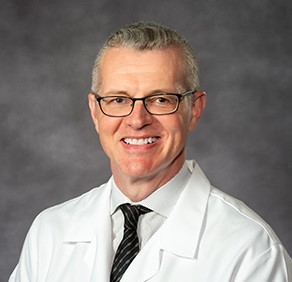
Prof. Egidio Del Fabbro
Division Chair of Palliative Medicine
Affiliation: Department of Medicine, Medical College of Georgia, Augusta University
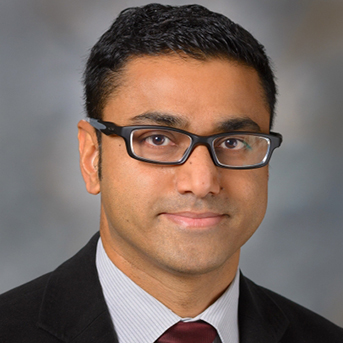
Prof. Rony Dev
Department of Palliative Care and Rehabilitation Medicine, Division of Cancer Medicine, University of Texas MD Anderson Cancer Center, Houston, Texas.
Accreditation Statement
John Wiley and Sons, Inc. is accredited by the Accreditation Council for Continuing Medical Education to provide continuing medical education for physicians.
Designation Statement
John Wiley and Sons, Inc. designates this live activity for a maximum of 1.00 AMA PRA Category 1 CreditTM. Physicians should only claim credit commensurate with the extent of their participation in the activity.
Available Credit
- 1.00 AMA PRA Category 1 Credit(s)™