
 Facebook
 X
X LinkedIn
 Forward
This educational resource is intended to provide health care professionals with relevant tools to learn more about the current therapies available for the safe and effective treatment of patients living with Early-stage Breast Cancer & Metastatic Breast Cancer, and to ensure that best practices are followed to provide an improved quality of life.
Video Introduction
Video Infographic on Understanding Early and Metastatic Breast Cancers
Learning Activities
This is the core of the hub: a set of activities designed to build on each other, covering the clinical questions that come up most often in practice. Work through them in whatever order suits you and pick up where you left off, and where CME credit is available, you'll see it noted on the activity itself.

Metastatic Breast Cancer
Dr. Fatima Cardoso discusses the case of a 67-year-old patient with metastatic breast cancer, emphasizing the importance of balancing treatment efficacy and toxicity, respecting patient preferences, and integrating palliative care to improve quality of life and survival.
ILD diagnosis and management in TDx treatment
This case study discusses the diagnosis and management of a 58-year-old male patient with HER2 breast cancer, highlighting the use of trastuzumab deruxtecan and steroid treatment for managing liver metastases and interstitial lung disease.
HR+/HER2- Metastatic Breast Cancer: Patient Profiling for Systemic Therapy
Dr. Rodrigo Sanchez-Bayona presented a clinical case of a 61-year-old postmenopausal woman with stage 4 luminal breast cancer, discussing her initial treatment with letrozole plus ribociclib, subsequent disease progression, and the decision to switch to fulvestrant plus everolimus based on biomarker testing.
Introduction to Drug Class of CDK4/6 Inhibitors
Dr. Carlos Barrios discusses the use of CDK46 inhibitors in the management of breast cancer, highlighting a specific case study and the effectiveness of these inhibitors in improving patient outcomes.
Risk Stratification
Dr. Christos Sotiriou presents a case study for luminal breast cancer, discussing the best therapeutic strategies, the importance of genomic tests, and the potential benefits of chemotherapy for different patient profiles.
The Critical Role of Adherence to Treatment
Dr. Angelica Nogueira Rodrigues discussed the importance of treatment adherence in breast cancer patients, particularly those on CDK 4/6 inhibitors, and highlighted strategies to improve adherence and patient outcomes.

Enhancing Adherence in Breast Cancer Treatment with CDK4/6 Inhibitors
Panel Discussion presented by Prof. Angelica Nogueira-Rodrigues and moderated by Prof. Lucia Del Mastro focused on the importance of treatment adherence in breast cancer patients using CDK 4/6 inhibitors, discussing factors influencing adherence, barriers, and strategies to improve it.
Precision Medicine in Oncology: Individualized Treatment Approaches Through Patient Profiling
Dr. Rodrigo Sanchez-Bayona and Dr. Giuseppe Curigliano reviewed recent clinical trials and treatment options for patients with CDK4/6 inhibitors, ESR1 mutations, and PI3K mutations, emphasizing the evolving landscape and the importance of personalized treatment strategies.
Stratifying Risk in Breast Cancer: Navigating Prognosis and Personalized Treatment
Join leading oncologists Carlos Barrios, Lucia Del Mastro, and Rodrigo Sanchez-Bayona as they delve into the complexities of adjuvant therapy for early breast cancer. Discover the latest insights on risk stratification, the role of biomarkers and genomic assays, and innovative tools for personalized treatment. Learn how integrating clinical variables with cutting-edge technologies can revolutionize patient care and improve outcomes.
Treatment options for Early and Metastatic Breast Cancer
This panel discussion provides an in-depth discussion on treatment options for early and metastatic breast cancer, featuring insights from experts Prof. Sotiriou and Prof. Nogueira, led by Prof. Cardoso.
Supplementary Materials
The learning doesn't stop at the activities. Here you'll find infographics that make the key data easy to take in at a glance, coverage from the conferences shaping this field, and reports that go deeper on the evidence. Save them, revisit them, or share them with colleagues who'd find them useful.

A Comprehensive Overview of Cyclin-Dependent Kinase 4 and 6 (CDK4/6) Inhibitors
Mechanism of action of CDK4/6 inhibitors, their position in cancer treatment algorithm, and management of treatment-related side effects
Using Cyclin-dependent Kinases 4/6 Inhibitors to Treat Hormone Receptorpositive Advanced Breast Cancer
Clinical management of adverse events and disease progression following treatment
Hormone Positive (HR+)/Human Epidermal Growth Factor Receptor 2Negative (HER2-) Early Breast Cancer
Risk factors and treatment
Key Insights on Early and Metastatic Breast Cancers
An overview of early and advanced breast cancers with special focus on staging, molecular subtypes, risk factors and risk stratification, risk of developing breast cancer, and therapeutic options
Personalized Medicine and Cyclin-Dependent Kinase 4/6 (CDK4/6) Inhibitors in Breast Cancer Treatment
Molecular profiling, genetic testing, endocrine resistance, and CDK4/6 inhibitors
Understanding Early and Metastatic Breast Cancers
Understanding Early and Metastatic Breast Cancers
Clinical potential of CDK4/6 inhibitors in breast cancer (Part 2)
Webinar discussing CDK4/6 inhibitor resistance, toxicities, adverse events and impact on the quality of life of the breast cancer patient.
Download SlidesClinical potential of CDK4/6 inhibitors in breast cancer (Part 1)
Webinar discussing mechanism of action of CDK4/6 inhibitors and novel therapeutic combinations in breast cancer.
Download SlidesCDK4/6 inhibitors in invasive disease-free survival of breast cancer patients
Diagnosis & treatment of high-risk early breast cancer patients with a focus on latest data from the clinical trials and treatment pathways.
SABCS December 2024
Dr. Christos Sotiriou highlights the identification of five different subtypes of breast cancer and the application of advanced technologies to analyze tissues and tumors.
Download SABCS 2024 ReportSABCS Dec 2024
Dr. Gabe S. Sonke discusses various studies on breast cancer treatments, including the effectiveness of new drugs, neoadjuvant chemotherapy strategies, and the benefits of remote symptom monitoring for patients with advanced breast cancer.
Download SABCS 2024 ReportSABCS December 2024
Dr. Fatima Cardoso discusses two potentially practice-changing studies, focusing on advanced breast cancer treatments and their implications for clinical practice.
Download SABCS 2024 ReportSABCS December 2024
Dr. David Mankoff discusses the increasing role of imaging in breast cancer research, highlighting the use of molecular imaging and artificial intelligence to improve diagnosis, treatment, and discovery of new therapeutic pathways.
Download SABCS 2024 ReportSABCS December 2024
Dr. Carlos Barrios discusses the PATINA trial that was presented recently.
Download SABCS 2024 ReportSABCS December 2024
Dr. David Mankoff discusses the multidisciplinary approach to breast cancer research, highlighting the collaboration between scientific and patient communities.
Download SABCS 2024 ReportSABCS December 2024
Dr. Fatima Cardoso emphasizes the need for systemic changes in breast cancer care, particularly in communication and support for metastatic breast cancer patients.
Download SABCS 2024 ReportSABCS December 2024
Dr. Virginia Kaklamani highlights the EMBER-3 clinical trial, which found that imlunestrant outperformed single-agent endocrine therapy in patients with ESR1 mutations and showed improvement when combined with abemaciclib, suggesting potential FDA approval.
Download SABCS 2024 ReportSABCS December 2024
Dr. Virginia Kaklamani discusses the PATINA trial, a phase III clinical trial.
Download SABCS 2024 ReportSABCS December 2024
The TAILORx trial data presented by Dr. Virginia Kaklamani at SABCS highlights that anthracyclines are beneficial for patients with estrogen-positive early-stage breast cancer and a high genomic risk score, suggesting it may become a standard of care.
Download SABCS 2024 ReportMeet the Faculty
Meet our Editorial Panel who are the key opinion leaders in the field of Breast Cancer. This expert panel in collaboration with the WILEY editorial team has curated the independent educational modules where you can get resources on the latest advancements in the diagnosis, treatment and management of Breast Cancer.
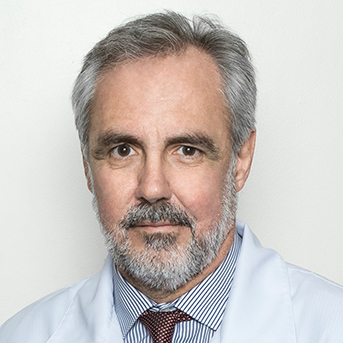
Dr. Carlos Barrios
Director and Principal Investigator of the Oncology Research Center at Hospital São Lucas, PUCRS Director of LACOG (Grupo Latino Americano de Investigación Clínica en Oncologia – Latin American Clinical Oncology Research Group) Oncologist of the Oncoclínicas Group in Porto Alegre
Dr. Barrios was born in Uruguay and graduated at PUCRS, Porto Alegre, RS, Brazil in 1979. He is Director and Principal Investigator of the Oncology Research Center at Hospital São Lucas, PUCRS since 1996, where he has participated in over 300 clinical research trials. He is Director of Clinical Research and Oncologist of the Oncoclínicas Group in Porto Alegre. He is Adjunct Assistant Professor of the William Harrington Latin American Program of the University of Miami School of Medicine. He has a strong interest in the development of international research collaboration and implementation of cooperative research infrastructures in Latin America. As such, he is cofounder and current Director of LACOG (Grupo Latino Americano de Investigación Clínica en Oncologia – Latin American Clinical Oncology Research Group) that congregates more than 100 investigators, more than 70 institutions in 16 different countries in Latin America. Has formal training and certification in the areas of Internal Medicine (Hospital de Clínicas, UFRGS, Porto Alegre, Brazil (1980-1982) and Jackson Memorial Hospital, University of Miami, Miami, Fl, US (1982-1985). He also has formal training and certification (ABIM) in Hematology and Oncology at Barnes and Jewish Hospitals, Washington University, Saint Luis, MO, US (1985-1988). His clinical work is concentrated in the area of Breast Cancer. Has participated in innumerous clinical research projects and has numerous abstract presentations and scientific peer reviewed publications.

Prof. Giuseppe Curigliano
Professor of Medical Oncology at University of Milan, Italy
Giuseppe Curigliano, MD PhD, is Full Professor of Medical Oncology at the University of Milano and Chief of the Clinical Division of Early Drug Development at European Institute of Oncology, Milano, Italy. Dr. Curigliano is an expert in the field of advanced drug development in solid tumors, with specific interest on breast cancer. He contributed to the development of many anticancer treatments actually available as standard of care in the treatment of multiple solid tumors. Since 2001 he is tenure-track and full-time cancer specialist at European Institute of Oncology – one of the world’s leading cancer-research institutes and the premier Cancer Center in Italy, third in Europe and 12th globally. He serves as member of the Italian Higher Health Council. Dr. Curigliano serves ESMO as Chair of the Clinical Practice Guidelines Committee. He was awarded with the first ESO Umberto Veronesi Award in Vienna in 2017 and with the Fellowship of the European Academy of Cancer Sciences in Paris in 2017. Dr Curigliano in 2022 was identified as Clarivate™ world’s most influential researchers. Dr Curigliano has contributed to over 670 peer-reviewed publications.
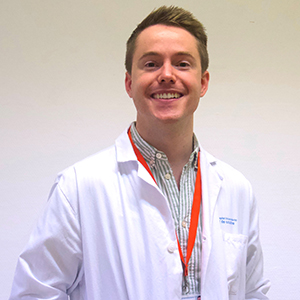
Dr. Rodrigo Sánchez-Bayona,MD PhD
Unidad de Cáncer de Mama y Ginecológico Hospital 12 de Octubre ESMO Young Oncologists Committee member
Dr. Rodrigo Sánchez-Bayona (MD, PhD) is a Medical Oncologist specializing in breast cancer, currently working in the Breast Cancer Unit at the Hospital Universitario 12 de Octubre (Madrid, Spain). He has research experience as a principal investigator and sub-investigator in multiple clinical trials from Phase 1 to Phase 3. He is a postdoctoral researcher at CNIO (Spanish National Cancer Research Centre) in the Cell Division and Cancer Group. Dr Sanchez-Bayona completed the ‘Rio Hortega’ State Training Subprogram, granted by the Instituto de Salud Carlos III. He has received competitive funding as a principal investigator for other translational breast cancer research projects, including the 2022 Health Research Award granted by Fundación HNA. Dr. Sánchez-Bayona has authored or co-authored more than 50 publications in indexed journals. He holds prominent positions within national and international scientific societies, serving as Scientific Secretary of SEOM (Spanish Society of Medical Oncology) and as a member of the ESMO (European Society for Medical Oncology) Young Oncologists Committee. In 2021, he was awarded the ‘SEOM Somos Futuro’ prize by the Spanish Society of Medical Oncology for young researchers in Oncology.

Professor Lucia Del Mastro
Director of the Clinical Oncology unit since 2021 and Coordinator of the Breast Unit since 2017 at Ospedale Policlinico San Martino, Genova Italy, Lucia Del Mastro is Full Professor of Oncology and Director of the Postgraduate School of Oncology at University of Genova, Italy
A medical oncologist specializing in breast cancer, her work involves various areas of research in oncology: from translational research to clinical research. She is the principal investigator of multicenter national academic phase II and III studies in metastatic and early breast cancer patients. She is member of the Scientific Committee of GIM (Gruppo Italiano Mammella, Italy) and Early Breast Cancer Trialists’ Cooperative Group (Oxford – Uk), chairperson of the steering committee of the AIOM (Associazione Italiana Oncologia Medica) recommendations for fertility preservation in cancer patients and she is a member of the steering committees of the AIOM and ESMO (European Society of Medical Oncology) guidelines for the management of early breast cancer (Ann Oncol. 2024;35:159-182). Main results of her academic clinical research, that helped advance the scientific knowledge in oncology, include: 1. the identification of a new strategy for preserving the fertility of young breast cancer receiving chemotherapy which is internationally recognized as a procedure to be proposed to all young breast cancer patients (JAMA. 2011;306:269-76.;JAMA 2015; 314:2632-40); 2. The identification of a new more effective strategy for administering the adjuvant chemotherapy (Lancet 2015;385:1863-72; Lancet Oncol. 2022;23:1571-1582 ); 3. The identification of a new more effective strategy for administering the adjuvant endocrine therapy (Lancet Oncol. 2021;22:1458-1467). Prof. Lucia Del Mastro is the author and co-author of more than 300 scientific publications in international journals, with an H-index (last 15 years) of 57 (excluding self citations: 55) (source: Scopus). In 2022, Lucia Del Mastro received from the President of the Italian Republic the outstanding Guido Venosta Award for her significant contribution to clinical breast cancer research.

Fatima Cardoso, MD, ESCO, FESMO
Fatima Cardoso, MD, FESMO, ESCO Senior Consultant, Medical Oncology President, Advanced Breast Cancer (ABC) Global Alliance Lisbon, Portugal
Dr Cardoso is a senior consultant in medical oncology and breast cancer, board certified in medical oncology and internal medicine. Dr Cardoso earned her medical degree at the University of Porto in Portugal and completed fellowships in the Translational Research Unit of the Jules Bordet Institute (IJB) in Brussels, Belgium, and the Department of Molecular and Cellular Oncology at MD Anderson Cancer Center in Houston, Texas. She then worked as Assistant Professor at the Medical Oncology Clinic of the IJB, between 2003 and 2010, where she also served as the scientific director of the international research network TRANSBIG for 7 years (EU Framework VI). She returned to Portugal in October 2010 to create and be the Director of the 1st certified Breast Unit in Portugal, at the Champalimaud Clinical Center, until January 2025. Dr Cardoso is deeply involved in the field of global cancer policy, accessibility and inequalities, and is the founder and President of the Advanced Breast Cancer (ABC) Global Alliance, as well as the founder and chair of the ABC International Consensus Guidelines Conference. Her research interests include biology of breast cancer, prognostic and predictive markers, and new anticancer agents, and he has been involved in many phase I-IV breast cancer clinical trials. She is also active in numerous professional organizations such as ESO, ESMO, ASCO, AACR, EORTC and E.C.O., where she serves on several committees; she was a member of the Board of Directors of ESMO, ECCO and EORTC. She is editor-in-chief of The Breast Journal, associate editor of the European Journal of Cancer, and an editorial board member of several other journals. She has received several educational and research grants from the Breast Cancer Research Foundation, the European Society of Medical Oncology, the European Cancer Organization, the Portuguese Science and Technology Foundation, the Portuguese League Against Cancer, the Portuguese Ministry of Health, the Free University of Brussels, the "Fonds Jean-Claude Heuson", the Fondation Lambeau-Marteau, the Belgian Federation Against Cancer, the Susan G. Komen Foundation, and the European Union. She was awarded the prestigious Order of Santiago da Espada for Scientific Merit, from the President of Portugal, on June 10th 2015. She has also received the Flims Alumni Club (FAC) Lifetime Achievement Award 2011; the Prix Nice - St Paul 2017, for the work developed for Advanced Breast Cancer Patients; the Reach to Recovery International Health Professional Award 2019, for exceptional contributions by a health professional in the field of breast cancer support; the ABC Award 2019, in recognition of her foresight in understanding the importance of advanced breast cancer and for launching a Global Alliance against it, the 2020 Jin Xian-zhai Special Achievement Award, for outstanding contributions to prevention and treatment of human cancer, especially breast cancer, the 2020 European Breast Cancer Science Award/Emmanuel van der Schueren Lecture, the 2021 Umberto Veronesi Memorial Award, and the 2022 ESMO Women For Oncology Award. Dr Cardoso has authored about 400 publications and has presented her work nationally and internationally.
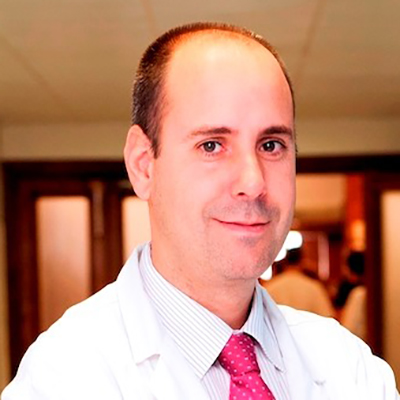
Javier Cortés, MD PhD
International Breast Cancer Center (IBCC), Barcelona, Spain Universidad Europea de Madrid, Faculty of Biomedical and Health Sciences, Department of Medicine, Madrid, Spain Medica Scentia Innovation Research (MedSIR), Barcelona, Spain & New Jersey, US
Dr. Javier Cortes received a degree in Medicine and Surgery from the Universidad Autónoma de Madrid in 1996, specialist in Medical Oncology by the Clínica Universitaria de Navarra, and awarded the title of Doctor in Medical Oncology from the University of Navarra in 2002. From June 2003 to July 2015, he has worked in the Department of Medical Oncology at the Hospital Vall d'Hebron, Barcelona, where he has been Coordinator of the Teaching and Training Programme for Residents in Oncology. In addition he was the Head of the Breast Cancer Program from July 2006 to August 2015. From September 2015 to October 2018, he has been Head of the Breast Cancer and Gynecological tumors at Ramon y Cajal University Hospital in Madrid. Dr. Cortes was the Head of the Breast Cancer Program at IOB Institute of Oncology, Quironsalud group, in both Madrid and Barcelona, from 2011 to September 2020. He has been Senior Clinical Investigator of the Breast Cancer Research Program at Vall d’Hebron Institute of Oncology from 2011 to February 2022. Dr. Cortés is the Head of the International Breast Cancer Centre (IBCC) in Barcelona, founding partner of Medica Scientia innovation Research (MedSIR), a company involved in the clinical development of clinical trials. In addition to his medical specialties, he has two master degrees in “Medical Direction and Clinical Management” by the Universidad Nacional de Educación a Distancia (UNED) and “Research methodology in Health Sciences” by the Universidad Autonoma de Barcelona and a degree in “Statistics in Health Sciences” by the Universidad Autonoma de Barcelona. He has contributed to over 430 peer-reviewed publications, especially about breast tumours and new drugs and more than 800 communications at different conferences. He actively participates in the development of numerous international clinical trials, and he is an ad hoc reviewer of various oncology journals, including, New England Journal of Medicine, Lancet, Lancet Oncology, Annals of Oncology or Journal of Clinical Oncology, among many others. Dr Cortés is an active member of the Spanish, European, and American Societies of Medical Oncology (SEOM, ESMO, ASCO). In addition, he is a member of the Scientific Committee of the European Society for Medical Oncology (ESMO), of the Scientific Committee of the European Breast Cancer Conference (EBCC), has been chair for breast cancer at the ESMO 2020 congress, and co-chair of the same section in the congress of the American Association for Cancer Research (AACR) 2020, as well as the immunotherapy area of the AACR 2021 congress. He is a member of the expert panel that develops the treatment guidelines for metastatic breast cancer of the European Society for Medical Oncology, member of the ABC Conference, member of the ASCO International Affairs Committee, member of the executive panel in charge of SABCS Strategic Planning, and co-organizer of the Annual Congress of Controversies in Breast Cancer (CoBrCa). In addition, according to the American Expertscape 2023 ranking, he is considered the world’s leading expert on HER2+ and fourth world oncologist with the greatest expertise in breast cancer and in 2022 and 2023 was identified as Clarivate™ world’s most influential researchers.
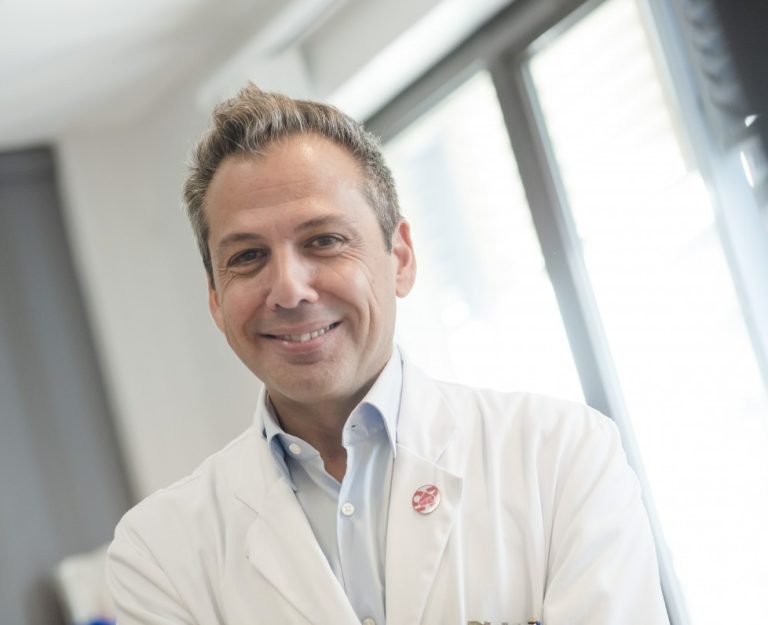
Dr. Christos Sotiriou
Research Director, Fonds de la Recherche Scientifique (FNRS) Director, Breast Cancer Translational Research Laboratory J-C. Heuson (BCTL), Université Libre de Bruxelles (ULB) Full Professor, Medical Oncology Department, Institut Jules Bordet (IJB)/Hôpital Universitaire de Bruxelles (HUB) Director of the Bordet Research Laboratories (BCRL), Institut Jules Bordet (IJB)/Hôpital Universitaire de Bruxelles (HUB)
Dr. Sotiriou is currently the Research Director at the “Fonds de la Recherche Scientifique” (FNRS), a “chef de Clinique” at the Jules Bordet Institute, and was recently appointed as Director of the Bordet Cancer Research Laboratories of the Jules Bordet Institute. His primary research focuses on improving the molecular understanding of breast cancer biology, disease dissemination, and progression by using state-of-the-art omics technologies and developing prognostic and predictive biomarkers for breast cancer. With an H-index of more than 100 and over 300 publications in high-impact journals, Dr. Sotiriou is a widely recognized thought leader. He is an active member of numerous scientific and abstract review committees, such as the AACR, SABCS, ASCO, and the ESMO conferences. He is the Associate Editor for breast cancer for Annals of Oncology, ESMO’s official journal. He is an Advisory Council Member of Susan G. Komen for the Cure® and a former elected member of the Scientific Council of the International Agency for Research on Cancer for Belgium (IARC- WHO, 2012 to 2016). He is an editorial board member for the WHO Classification of Breast Tumors (4th, 5th and 6th WHO Blue Books, breast cancer edition). He is a fellow of the European Academy of Cancer Sciences, and since 2022, he has become a member of the Académie Royale de Médecine de Belgique. Dr. Sotiriou has received many prestigious awards, including the 2015 “Joseph Maisin Scientific Prize - Clinical Biomedical Sciences,” a quinquennial prize awarded by the F.R.S. FNRS. Over the past 20 years, he has succeeded in obtaining steady, independent, peer-reviewed research funding.

Angélica Nogueira-Rodrigues, MD, PhD
Professor and Researcher at UFMG (Federal University of Minas Gerais)
Founder and current Director of Planning at the Brazilian Group of Gynecological Tumors, EVA Director of International Relations at GBECAM (Brazilian Group for Breast Cancer Studies)

Dr. Evandro de Azambuja
Head of the Medical Support Team (Academic Promoting Team), Institut Jules Bordet, HUB, Université Libre de Bruxelles, Brussels, Belgium
Dr. de Azambuja earned his first PhD from the Federal University of Rio Grande do Sul, Porto Alegre, Brazil, in May 2007 and his second PhD from the Université Libre de Bruxelles (U.L.B) in December 2015. Dr. de Azambuja is a member of different societies including ESMO, ASCO and BSMO. He also has been chairing different ESMO activities such as Fellowship Committee (2018-2022), ESMO Leaders Generation Program (2018-2022). He is the current ESMO membership director 2023-2024 and BSMO (Belgian Society for Medical Oncology) President 2023-2026 He has (co)-authored about 300 peer-reviewed articles and 15 book chapters. He has been a member of Education and Scientific Committees of the ESMO, ESMO Breast, EBCC and ECCO meetings and invited international speaker in different conferences and countries.

Dr. José Bines
Attending Physician at the Instituto Nacional de Cancer and Clínica Sao Vicente, Brazil
José Bines MD, PhD is an attending physician at the Instituto Nacional de Cancer and Clínica Sao Vicente, in Brazil. Dr Bines received his medical degree from the Federal University in Rio de Janeiro, Brazil and he undertook his oncology fellowship training at Northwestern University in Chicago, USA. He is one of the founders of the Breast Cancer Brazilian Cooperative Group (GBECAM). His research focus on health disparities and access to breast cancer care and treatment. Dr Bines is currently an associate editor of Clinical Breast Cancer and Breast Cancer Research and Treatment.
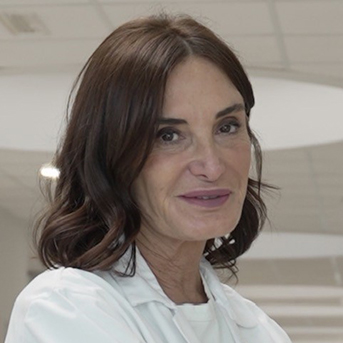
Prof. Alessandra Gennari
Professor of Oncology, University of Piemonte Orientale, Novara, Italy Head, Medical Oncology, Maggiore University Hospital, Novara, Italy
During her career, Alessandra Gennari MD PhD, has been involved in the development of new treatment strategies and treatment individualization with particular emphasis on breast cancer. She has coordinated and performed as Principal Investigator on many clinical trials in early and advanced breast cancer in a multidisciplinary setting, including translational laboratory research. Her current research areas are: Metabolic aspects in breast cancer patients, with particular emphasis on body weight, diet, physical activity asnd dietary supplementation in early and metastatic disease. Evaluation of the role of innate and adaptive immunity in early and advanced breast cancer. Evaluation of T-cell senescence as a predictive factor in early breast cancer patients receiving neoadjuvant therapy. Application of -omics assays to evaluate the potential predictive and prognostic impact of host-related -omic profiles in breast and lung cancer patients. Dr. Gennari is the author of more than 200 peer reviewed articles.

Prof. Valentina Guarneri
Department of Surgery, Oncology and Gastroenterology, University of Padova Istituto Oncologico Veneto IRCCS, Padova, Italy
Valentina Guarneri, MD, PhD, is Full Professor of Oncology at the University of Padova, and Director of the Oncology 2 Division at the Istituto Oncologico Veneto. She is Director of the Specialty programme in Medical Oncology, chair of the multidisciplinary Breast Unit, Director of the Master Degree programme in Clinical Research in Oncology. She completed her fellowship in Oncology in 2003, and she obtained her PhD Degree in Clinical and Experimental Oncology in 2007. In 2005, she completed a research experience at the Department of Breast Medical Oncology, UT. MD Anderson Cancer Center, Houston, Texas, where she also was Visiting Assistant Professor in 2009. In 2005, she has been appointed Assistant Professor of Oncology at the University of Modena and Reggio Emilia, where she also chaired the Breast Unit from 2011 to 2013. She moved to University of Padova in2013, where she has been appointed the position of Associate Professor of Oncology. From 2015 to 2018, she was member of the Research Committee of the Italian Ministry of Health. She was a long-standing member of the ESMO Fellowship and Award Committe, Oncology Pro Working Group and ESMO Young Oncologists Committee (YOC). She is also a founder member of the Women for Oncology Italy initiative (a national spin-off of the ESMO initiative). She is in the editorial review board of several International journals, including The Lancet Oncology, Annals of Oncology, Clinical Cancer Research, The Oncologist and Clinical Breast Cancer. Her research interest is mainly focused on clinical and translational research for breast cancer patients. She published more than 240 papers in peer-reviewed journals. She has presented more than 400 lectures at national and International conferences.

Prof. Nadia Harbeck
Head of Breast Center and holds the chair for Conservative Oncology at the Dept. of OB&GYN, LMU University Hospital, Munich, Germany
Nadia Harbeck, MD, PhD, obtained her specialist degree (OB&GYN) at the Technical University of Munich (TUM) and her medical degree from the Ludwig-Maximilians University of Munich (LMU). Professor Harbeck is the current ESMO Director of Education and Subject Editor of the ESMO Breast Cancer Guidelines. She is also member of the expert panel issuing the German AGO recommendations for breast cancer therapy (www.ago-online.de). She is co-director of the West German Study Group (www.wsg-online.com). From 2009-2015, she served on the EORTC Executive Board as chair of the Translational Research Division. Professor Harbeck is principal investigator or steering committee member of numerous breast cancer trials, particularly with novel targeted compounds and individualized treatment strategies. She has a strong interest in eHealth and is co-developer of CANKADO, an international digital patient diary (www.cankado.com). Professor Harbeck is one of the most frequently cited clinical researchers worldwide (Highly Cited Researcher 2021 and 2022). She has authored more than 635 papers in peer-reviewed journals (h-index 95) and is coordinating editor-in-chief of Breast Care (Karger Publishers). She is ESMO co-director of the annual Methods in Clinical Cancer Research Workshop (MCCR) and panel member of several international breast cancer consensus conferences. Professor Harbeck is recipient of the 2023 German Cancer Award and the 2020 ESMO Lifetime Achievement Award. She also received several additional recognitions of her clinical and translational research such as the 2021 UPO Award for Women in Academy and Research, the 2015 Bavarian Cancer Patient Award, the 2012 Claudia von Schilling Award, the 2008 EBCC Award, the 2002 AGO Schmidt-Matthiesen Award, a 2001 AACR Award, and the 2001 ASCO Fellowship Merit Award for the highest ranking abstract.
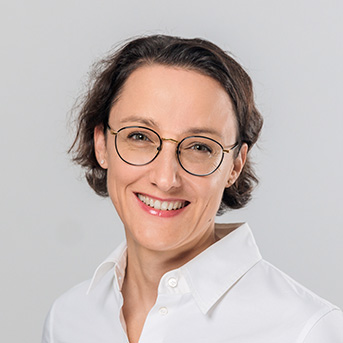
Dr. Mattea Reinisch
Deputy Clinic Director, Clinic for Senology/Interdisciplinary Breast Cancer, Evang. Clinics Essen-Mitte, Germany
Mattea Reinisch, MD, PhD graduated from medical school in Berlin, Germany at the Charité, started her practical medical training in Berlin, Frankfurt /Main and Essen, Germany. She is trained as a gynecologist and has subsequently specialized in treating patients with breast cancer. Her scientific training in clinical researched started during her residency at the German Breast Group, where she is still actively involved as a scientific advisor. She is now leading the breast Unit at the Kliniken Essen-Mitte, is the deputy director of the department, is part of the surgical team and leads the department for breast cancer studies. She is an active member of the adjuvant and neoadjuvant Subboard of the German Breast Group, as well as an ESMO and DEGUM and DKG member. Among others, she is author of some major publications about male breast cancer and deescalating strategies on the axillary surgery. Mattea Reinisch has been principal investigator of more than 20 multicenter clinical trials Phase II and III. She is working on finding strategies to improve study recruitments into clinical trials in Germany, is co-founder of the locoregional study network west-go-breast.de. Her research has been acknowledged by national (DGS) and international committees (ESMO).

Dr. Gustavo Werutsky
Executive Director of the Latin American Cooperative Oncology Group (LACOG) Medical Oncologist of the Breast Cancer Program, Hospital Moinhos de Vento, Porto Alegre, Brazil
Gustavo Werutsky, MD, is the Executive Director of the Latin American Cooperative Oncology Group (LACOG) and Medical Oncologist of the Breast Cancer Program, Hospital Moinhos de Vento, Porto Alegre Brazil. He is member of the Breast International Group (BIG) Executive Board, Brussels, Belgium. He is also member of the Breast Cancer Group Steering Committee member of the European Organisation for Research and Treatment of Cancer (EORTC). He serves as representative of LACOG in the SWOG Cancer Research Network, United States. He was a former medical research fellow at the European Organisation for Research and Treatment of Cancer (EORTC) 2008-2011 working in the breast and gastrointestinal cancer groups. Also, past fellow of the Flims workshop on cancer research (EORTC – NCI - AACR), Flims, Switzerland and the ESMO translational research unit visit, Charité – Universitätsmedizin Berlin, Berlin, Germany. Graduated in Medicine at Pontifícia Universidade Católica do Rio Grande do Sul (2003), specialisation in Internal Medicine (2006) and Medical Oncology (2008) at Hospital São Lucas PUCRS, Porto Alegre, Brazil and PhD (2021) in Medicine at Pontifícia Universidade Católica do Rio Grande do Sul (PUCRS), Porto Alegre, Brazil. He is member of the American Society of Clinical Oncology (ASCO), European Society of Medical Oncology (ESMO) and Sociedade Brasileira de Oncologia Clínica (SBOC). Areas of interest are breast cancer research, drug development and methods in clinical trials.

Dr. Rachel Würstlein
Senior physician and co-manager of the Breast Center at the LMU University Hospital Munich, Germany
PD Dr. med. Rachel Würstlein qualified in obstetrics/gynaecology before specialising in breast diagnostics, systemic treatment of adjuvant and metastatic breast cancer, palliative care, genetics and clinical trials. She is active partner of WSG (www.wsg-online.com) and represents outreach and precision medicine at the CCC Munich. Her research interests include national and international translation research, prognostic and predictive factors in early and metastatic breast cancer, palliative care, implementation of health provision and health services research. She has a strong focus in education and medical training with interdisciplinary and interprofessional teams. Dr. Würstlein is also lead of the Munich Breast Cancer Group (www.tumorzentrum-muenchen.de), a member of the expert panel issuing the German AGO recommendations for breast cancer therapy (www.ago-online.de) and DKG / AGSMO (German Cancer Society, supportive therapies). She participates at various editorial boards, f.e. of Breast Care and is active partner of several patient initiatives and engaged in education of HCP.
External Supplementary Resources
Sometimes the best next step sits outside this hub. We've gathered the published articles our faculty consider essential reading on this topic, along with links to the journals where the latest work in this field appears.
External Resources (155 links) — click to expand
- A look at current and potential treatment approaches for hormone receptor-positive, HER2-negative early breast cancer
- Abemaciclib plus endocrine therapy for hormone receptor-positive, HER2-negative, node-positive, high-risk early breast cancer (monarchE): results from a preplanned interim analysis of a randomised, open-label, phase 3 trial
- Adjuvant Palbociclib for Early Breast Cancer: The PALLAS Trial Results (ABCSG-42/AFT-05/BIG-14-03)
- 5th ESO-ESMO international consensus guidelines for advanced breast cancer (ABC 5)
- A meta-analysis and systematic review of different cyclin-dependent kinase 4/6 inhibitors in breast cancer
- A patent review of small molecule CDK4/6 inhibitors in the treatment of cancer: 2020–present
- A Review on Integrating Breast Cancer Clinical Data: A Unified Platform Perspective
- A single center experience of PIK3CA and AKT inhibitors in patients with hormone receptor positive metastatic breast cancer.
- A single-centre retrospective evaluation of potential drug-drug interactions in breast cancer patients undergoing CDK 4/6 inhibitors chemotherapy
- A windowing-based multi-view u-net for tumor segmentation in cone-beam breast CT
- Abemaciclib Combined With Endocrine Therapy for the Adjuvant Treatment of HR+, HER2−, Node-Positive, High-Risk, Early Breast Cancer (monarchE)
- Adjuvant abemaciclib combined with endocrine therapy for high-risk early breast cancer: updated efficacy and Ki-67 analysis from the monarchE study
- Adjuvant Targeted Treatment of Early Hormone Receptor-positive HER2-negative Breast Cancer: Olaparib, Abemaciclib or Ribociclib – Which One, How and For Whom?
- Advances in CDK4 and 6 Inhibitors: Transforming Breast Cancer Treatment
- Application of Bone-Targeted Nanoparticles for Trilaciclib Delivery in Chemotherapy-Induced Myelosuppression
- Artificial intelligence on breast cancer risk prediction
- Assessing the long-term prognostic ability of the 70 gene expression signature MammaPrint in an Italian single-center prospective cohort study of early-stage intermediate-risk breast cancer patients
- Association between body composition parameters and treatment-related toxicities in patients with metastatic breast cancer receiving cyclin-dependent kinase 4 and 6 inhibitors
- Association of initial abemaciclib dosing with duration of medication use in patients with stage II/III breast cancer on endocrine therapy.
- Cancer Biomarkers in Liquid Biopsy for Early Detection of Breast Cancer: A Systematic Review
- CDK inhibitors and radiation therapy in breast cancer: Hematologic toxicity and survival implications.
- CDK4/6 inhibitor resistance in estrogen receptor positive breast cancer, a 2023 perspective
- CDK4/6 inhibitor resistance mechanisms and treatment strategies (Review)
- CDK4/6 inhibitor treatment for patients with hormone receptor-positive, HER2-negative, advanced or metastatic breast cancer: a US Food and Drug Administration pooled analysis
- CDK4/6 inhibitors in the treatment of metastatic breast cancer: Focus on toxicity and safety
- CDK4 and CDK6 kinases: From basic science to cancer therapy
- Cellular interactions within the immune microenvironment underpins resistance to cell cycle inhibition in breast cancers
- Circulating CD3+CD8+ T Lymphocytes as Indicators of Disease Status in Patients With Early Breast Cancer
- Clinical Impact of Somatic Genomic Testing on Breast Cancer Care
- Clinical significance of circulating tumor cell (CTC)-specific microRNA (miRNA) in breast cancer
- Clinician’s guide: expert insights on the use of CDK4/6 inhibitors in patients with early breast cancer
- Comparison of overall survival after neoadjuvant and adjuvant chemotherapy in patients with early breast cancer with immediate breast reconstruction after mastectomy: A retrospective, matched case‑control study
- Comparison of treatment-related adverse events of different Cyclin-dependent kinase 4/6 inhibitors in metastatic breast cancer: A network meta-analysis
- Concordant and discordant breast density patterns by different approaches for assessing breast density and breast cancer risk
- Could macrocytosis predict survival In advanced breast cancer patients that were treated with CDK 4–6 inhibitors?
- Cyclin-dependent kinase 4/6 inhibitors and interstitial lung disease in the FDA adverse event reporting system: a pharmacovigilance assessment
- Cyclin-dependent kinase 4 and 6 inhibitors for hormone receptor-positive breast cancer: past, present, and future
- Design, synthesis and characterization of novel thiazolidinone derivatives: Insights from a network pharmacology approach for breast cancer therapy
- Development and Preclinical Assessment of a Palbociclib Nanostructured Lipid Carrier for Potential Breast Cancer Management
- Development and validation of a gene expression-based Breast Cancer Purity Score
- Differences in metabolic transport and resistance mechanisms of Abemaciclib, Palbociclib, and Ribociclib
- Distinct salivary antioxidant patterns linked to breast cancer molecular subtypes
- Effect of Nutritional Teaching Program on Knowledge, Practices, Taste Alterations, and Appetite among Breast Cancer Women undergoing Chemotherapy
- Emerging systemic therapy options beyond CDK4/6 inhibitors for hormone receptor-positive HER2-negative advanced breast cancer
- Endocrine Treatment and Targeted Therapy for Hormone Receptor–Positive, Human Epidermal Growth Factor Receptor 2–Negative Metastatic Breast Cancer: ASCO Guideline Update
- Epigenetic aging differentially impacts breast cancer risk by self-reported race
- Estimating the Cost of 3 Risk Prediction Strategies for Potential Use in the United Kingdom National Breast Screening Program
- European Society of Breast Cancer Specialists/Advanced Breast Cancer Global Alliance quality indicators for metastatic breast cancer care
- Exploration of crucial stromal risk genes associated with prognostic significance and chemotherapeutic opportunities in invasive ductal breast carcinoma
- First-line endocrine therapy combined with CDK 4/6 inhibitor in disseminated carcinomatosis of bone marrow (DCBM) luminal breast cancer: a case report
- Frequency of dose reductions of abemaciclib in metastatic and early-stage hormone positive, HER2 negative breast cancer.
- Frequency of use and characterization of frailty assessments in observational studies on older women with breast cancer: a systematic review
- Gene expression profiling for the diagnosis of male breast cancer
- GeneXAI: Influential gene identification for breast cancer stages using XAI-based multi-modal framework
- Genomic tests for risk stratification in patients with early human epidermal growth factor receptor 2-positive breast cancer
- Guidelines of the Brazilian Society of Surgical Oncology for anatomopathological, immunohistochemical, and molecular testing in female tumors
- Health-related quality of life in breast cancer patients treated with CDK4/6 inhibitors: a systematic review
- Health-related quality of life in premenopausal women with hormone-receptor-positive, HER2-negative advanced breast cancer treated with ribociclib plus endocrine therapy: results from a phase III randomized clinical trial (MONALEESA-7)
- Health‐Related Quality of Life in MONARCH 2: Abemaciclib plus Fulvestrant in Hormone Receptor‐Positive, HER2‐Negative Advanced Breast Cancer After Endocrine Therapy
- Health‐Related Quality of Life in MONARCH 3: Abemaciclib plus an Aromatase Inhibitor as Initial Therapy in HR+, HER2− Advanced Breast Cancer
- Hematologic adverse events following palbociclib dose reduction in patients with hormone receptor–positive/human epidermal growth factor receptor 2–negative advanced breast cancer: pooled analysis from randomized phase 2 and 3 studies
- HER2-positive breast cancer in patients with BRCA1/2 pathogenic variants: Case series and literature review
- Higher risk of recurrence in early-stage breast cancer patients with increased levels of ribosomal protein S6
- Hormone Receptor Positive Breast Cancer in Young Women: A Review
- Hormone receptor-positive early breast cancer in young women: A comprehensive review
- Impact of Molecular Profiling on Therapy Management in Breast Cancer
- Impact of social support on body image during chemotherapy in patients with breast cancer: The chain mediating role of depression and self-efficacy
- Implementing geriatric assessment for dose optimization of CDK4/6 inhibitors in older breast cancer patients
- Incidence and management of diarrhoea associated with abemaciclib and endocrine therapy for hormone-receptor positive, HER2-negative metastatic breast cancer: the UK patients’ experiences
- Incidence and risk factors of pain following breast cancer surgery: a retrospective national inpatient sample database study
- Incidental pathogenic germline alterations detected through liquid biopsy in patients with solid tumors: prevalence, clinical utility and implications
- Inhibiting CDK4/6 in Breast Cancer with Palbociclib, Ribociclib, and Abemaciclib: Similarities and Differences
- Integrating clinicopathologic information and dynamic contrast-enhanced MRI for augmented prediction of neoadjuvant chemotherapy response in breast cancer
- Intrinsic and acquired resistance to CDK4/6 inhibitors and potential overcoming strategies
- Larotrectinib in NTRK3 fusion–positive metastatic secretory carcinoma of the breast: A case study
- Lichenoid dermatitis induced by abemaciclib in a patient with HR+/HER2- breast cancer
- Management of Abemaciclib‐Associated Adverse Events in Patients with Hormone Receptor‐Positive, Human Epidermal Growth Factor Receptor 2‐Negative Advanced Breast Cancer: Safety Analysis of MONARCH 2 and MONARCH 3
- Mechanisms of Resistance to CDK4/6 Blockade in Advanced Hormone Receptor–positive, HER2-negative Breast Cancer and Emerging Therapeutic Opportunities
- Mechanisms of Sensitivity and Resistance to CDK4/6 Inhibition
- Non-adherence of cyclin-dependent kinases 4 and 6 inhibitors reduces overall and progression-free survival in patients with hormone receptor–positive breast cancer
- Novel applications of molecular imaging to guide breast cancer therapy
- Novel combination therapy of osimertinib and Tupichinol E in triple-negative breast cancer: Targeting EGFR and CDK4/6 pathways
- Novel Estrogen Receptor – Targeted Therapies in Hormone-Receptor Positive Breast Cancer
- Optimized biomarker evaluation and molecular testing in the era of breast cancer precision medicine
- Overall Survival of CDK4/6-Inhibitor–Based Treatments in Clinically Relevant Subgroups of Metastatic Breast Cancer: Systematic Review and Meta-Analysis
- Overall Survival with Ribociclib plus Fulvestrant in Advanced Breast Cancer
- Overall Survival with Ribociclib plus Letrozole in Advanced Breast Cancer
- An Overview of Clinical Development of Agents for Metastatic or Advanced Breast Cancer Without ERBB2 Amplification (HER2-Low)
- Palbociclib for Residual High-Risk Invasive HR-Positive and HER2-Negative Early Breast Cancer—The Penelope-B Trial
- Palbociclib-Induced Subacute Cutaneous Lupus
- Palbociclib-letrozole loaded solid self-nano emulsifying drug delivery system for oral treatment of breast cancer: In-vitro and In-vivo characterization
- Palbociclib with adjuvant endocrine therapy in early breast cancer (PALLAS): interim analysis of a multicentre, open-label, randomised, phase 3 study
- Pathological complete response after neoadjuvant cyclin-dependent kinase 4/6 inhibitor and neoadjuvant endocrine therapy in locally advanced hormone receptor-positive breast cancer
- Perceptions, educational expectations and knowledge gaps of patients with non-metastatic breast cancer regarding radiotherapy: Integrative review
- Phase I/II Trial of Exemestane, Ribociclib, and Everolimus in Women with HR+/HER2− Advanced Breast Cancer after Progression on CDK4/6 Inhibitors (TRINITI-1)
- Phase I study of ribociclib (CDK4/6 inhibitor) with spartalizumab (PD-1 inhibitor) with and without fulvestrant in metastatic hormone receptor-positive breast cancer or advanced ovarian cancer
- Polypharmacy and drug-drug interactions in metastatic breast cancer patients receiving cyclin-dependent kinase (CDK) 4/6 inhibitors
- Precision medicine in breast cancer (Review)
- Predictive, preventive, and personalized medicine in breast cancer: targeting the PI3K pathway
- Preparation, Optimization, and in-vitro Release Study of Abemaciclib-Loaded Chitosan Nanocarrier as a New Approach for Breast Cancer Treatment
- PTEN Loss Mediates Clinical Cross-Resistance to CDK4/6 and PI3Kα Inhibitors in Breast Cancer
- Real-World Analysis of Adherence to Abemaciclib and Endocrine Therapy in Women with HR+/HER2− Breast Cancer
- Real-world clinical and survival outcomes of patients with early relapsed triple-negative breast cancer from the ESME national cohort
- Real-world data analysis of safety and efficacy of palbociclib in HR positive, HER-2 negative MBC patients, at tertiary care hospital at Middle East, Saudi Arabia.
- Real-world safety and effectiveness data of trastuzumab deruxtecan and sacituzumab govitecan in breast cancer: a Hellenic Cooperative Oncology Group study
- Research Status of Systemic Adjuvant Therapy for Early Breast Cancer
- Role of Breast Cancer Risk Estimation Models to Identify Women Eligible for Genetic Testing and Risk-Reducing Surgery
- Senescence-related genes as prognostic indicators in breast cancer survival
- Significantly longer time to deterioration of quality of life due to CANKADO PRO-React eHealth support in HR+ HER2− metastatic breast cancer patients receiving palbociclib and endocrine therapy: primary outcome analysis of the multicenter randomized AGO-B WSG PreCycle trial
- Single institution retrospective review of patients with metastatic hormone receptor positive breast cancer receiving first line therapy of CDK4/6 inhibitors.
- Surgical Management of Breast Cancer Liver Metastasis
- Targeting CDK4 and CDK6 in cancer
- The Genomic Landscape of Breast Cancer in Young and Older Women
- The Ongoing Search for Biomarkers of CDK4/6 Inhibitor Responsiveness in Breast Cancer
- The optimal timing of breast cancer surgery after COVID-19 infection: an observational study
- The role of CDK4/6 inhibitors in early breast cancer
- The SONIA trial shows the power and challenges of academic research
- The usefulness of CanAssist Breast over Ki67 in breast cancer recurrence risk assessment
- Therapeutic Response and Toxicity of Cyclin-Dependent Kinase 4/6 Inhibitors in the Treatment of Hormone Receptor-Positive, Human Epidermal Growth Factor Receptor-2 Negative Metastatic Breast Cancer–A Single-Center Experienced
- Training health workers in clinical breast examination for early detection of breast cancer in low‐ and middle‐income countries
- Triple-Negative Breast Cancer: Molecular Particularities Still a Challenge
- Ultrasonographic accuracy in evaluating response of clipped lymph nodes in targeted axillary dissection in breast cancer
- Understanding the prospective of gene therapy for the treatment of breast cancer
- Usefulness of postoperative surveillance MR for women after breast-conservation therapy: Focusing on MR features of early and late recurrent breast cancer
- Using prognostic signatures and machine learning to identify core features associated with response to CDK4/6 inhibitor-based therapy in metastatic breast cancer
- Validation of an AI-based solution for breast cancer risk stratification using routine digital histopathology images
- Valuable predictive power of prognostic nutritional index in metastatic breast cancer patients treated with CDK4/6 inhibitors
- What are the needs in oral antitumor therapy? An analysis of patients’ and practitioners’ preferences
- The Critical Role of Adherence to Treatment
- [French] The Critical Role of Adherence to Treatment
- [German] The Critical Role of Adherence to Treatment
- [Italian] The Critical Role of Adherence to Treatment
- [Spanish] The Critical Role of Adherence to Treatment
- CDK4/6 inhibition in early-stage breast cancer: how far is it from becoming standard of care?
- Cyclin-Dependent Kinase 4/6 Inhibitors for Treatment of Hormone Receptor–Positive, ERBB2-Negative Breast Cancer
- Dalpiciclib plus letrozole or anastrozole versus placebo plus letrozole or anastrozole as first-line treatment in patients with hormone receptor-positive, HER2-negative advanced breast cancer (DAWNA-2): a multicentre, randomised, double-blind, placebo-controlled, phase 3 trial
- Early breast cancer: ESMO Clinical Practice Guidelines for diagnosis, treatment and follow-up
- Clinical potential of CDK4/6 inhibitors in Breast Cancer
Prof. Giuseppe Curigliano - Clinical potential of CDK4/6 inhibitors in Breast Cancer
Dr. José Bines - Clinical potential of CDK4/6 inhibitors in Breast Cancer
Dr. Rachel Würstlein - ESMO 2023 Coverage - Part 1
Watch time: 25 min - ESMO 2023 Coverage Part 2
Watch time: 6 min - ESMO Coverage Part 3
Watch time: 10 min - Palbociclib with adjuvant endocrine therapy in early breast cancer (PALLAS): interim analysis of a multicentre, open-label, randomised, phase 3 study
- Advancing Breast Cancer Treatment: A Comprehensive Exploration of CDK4/6 Inhibitors
- [French] Advancing Breast Cancer Treatment: A Comprehensive Exploration of CDK4/6 Inhibitors
- [German] Advancing Breast Cancer Treatment: A Comprehensive Exploration of CDK4/6 Inhibitors
- [Italian] Advancing Breast Cancer Treatment: A Comprehensive Exploration of CDK4/6 Inhibitors
- [Spanish] Advancing Breast Cancer Treatment: A Comprehensive Exploration of CDK4/6 Inhibitors
- Navigating Side Effects: Strategies for Managing CDK 4/6 Inhibitor Treatment
- [French] Navigating Side Effects: Strategies for Managing CDK 4/6 Inhibitor Treatment
- [German] Navigating Side Effects: Strategies for Managing CDK 4/6 Inhibitor Treatment
- [Italian] Navigating Side Effects: Strategies for Managing CDK 4/6 Inhibitor Treatment
- [Spanish] Navigating Side Effects: Strategies for Managing CDK 4/6 Inhibitor Treatment
- Ribociclib and endocrine therapy as adjuvant treatment in patients with HR+/HER2- early breast cancer: Primary results from the phase III NATALEE trial